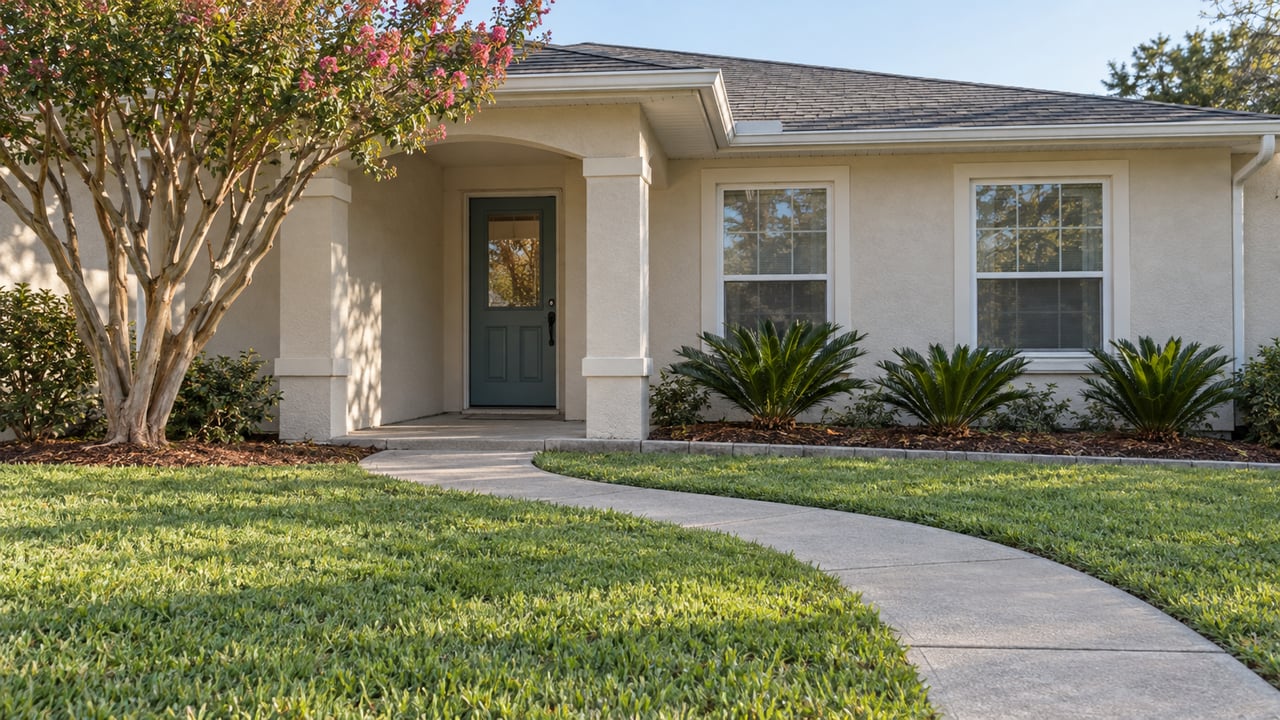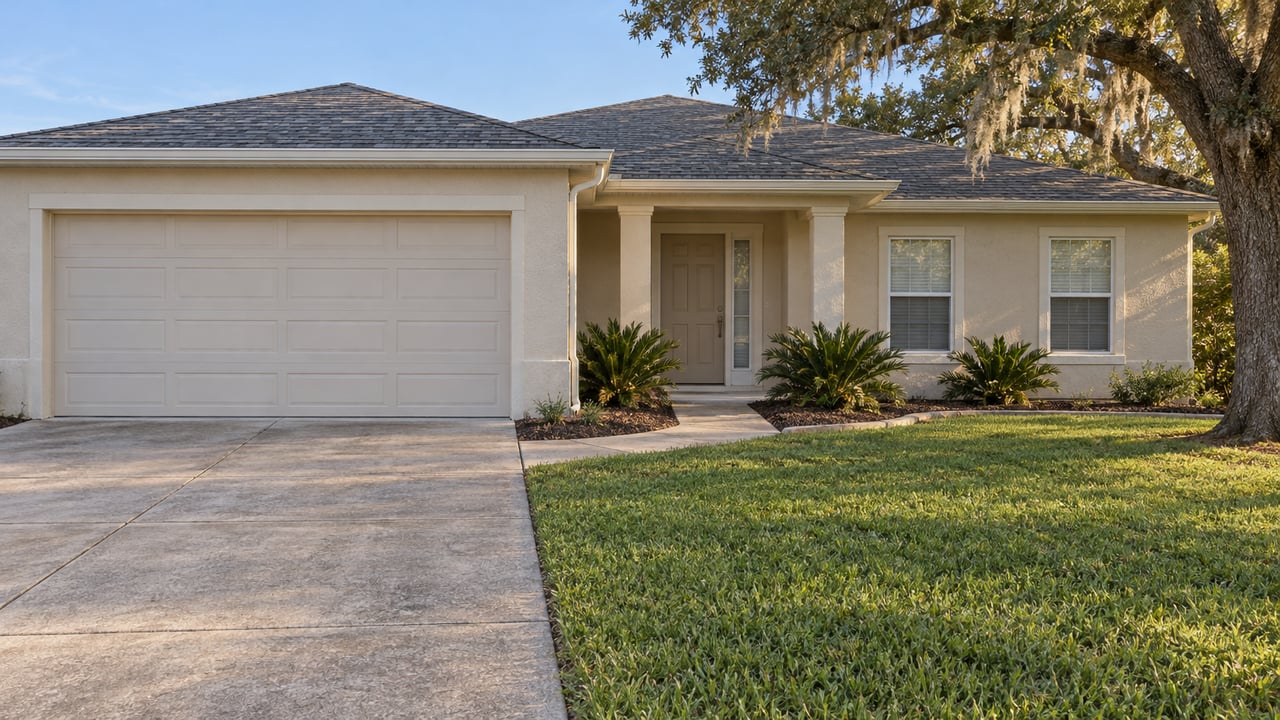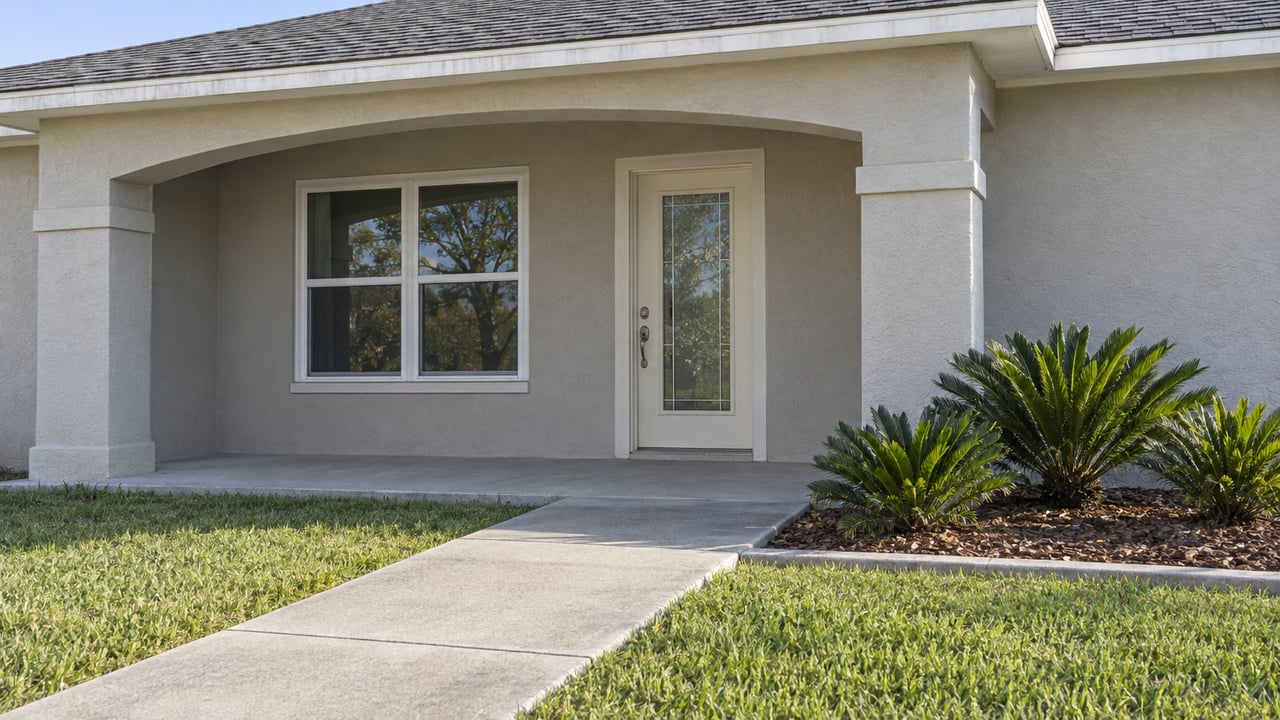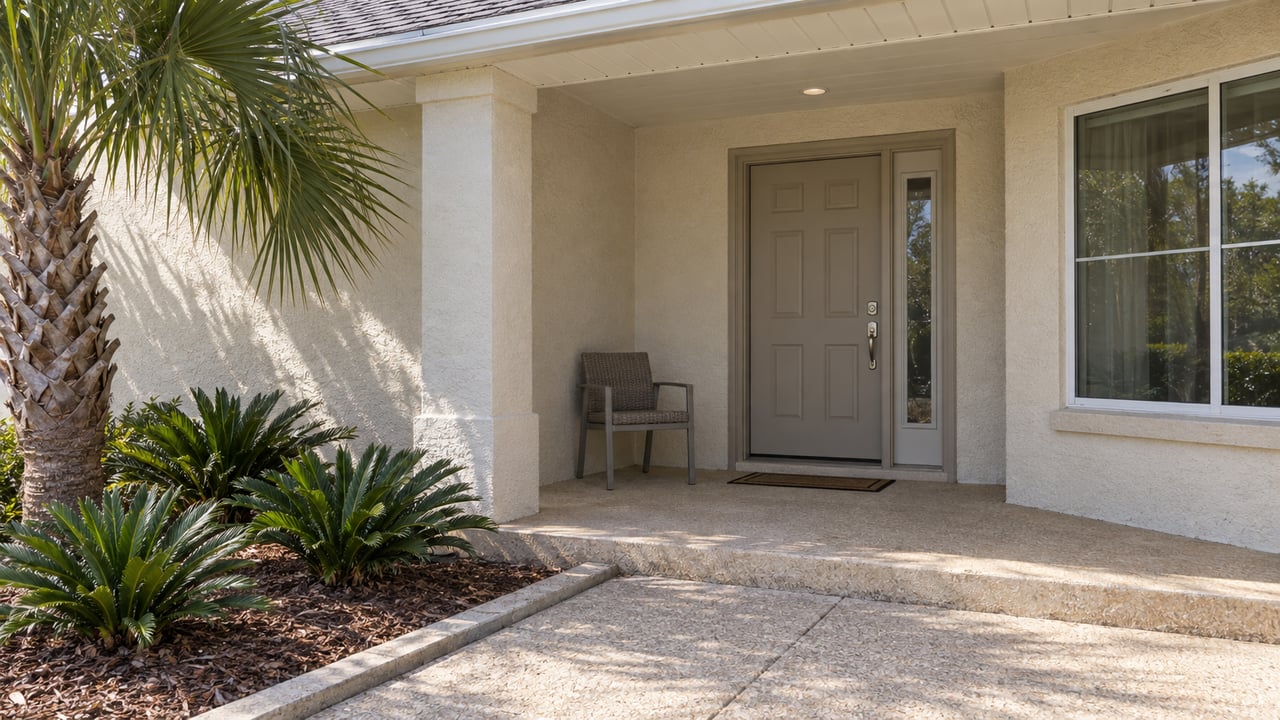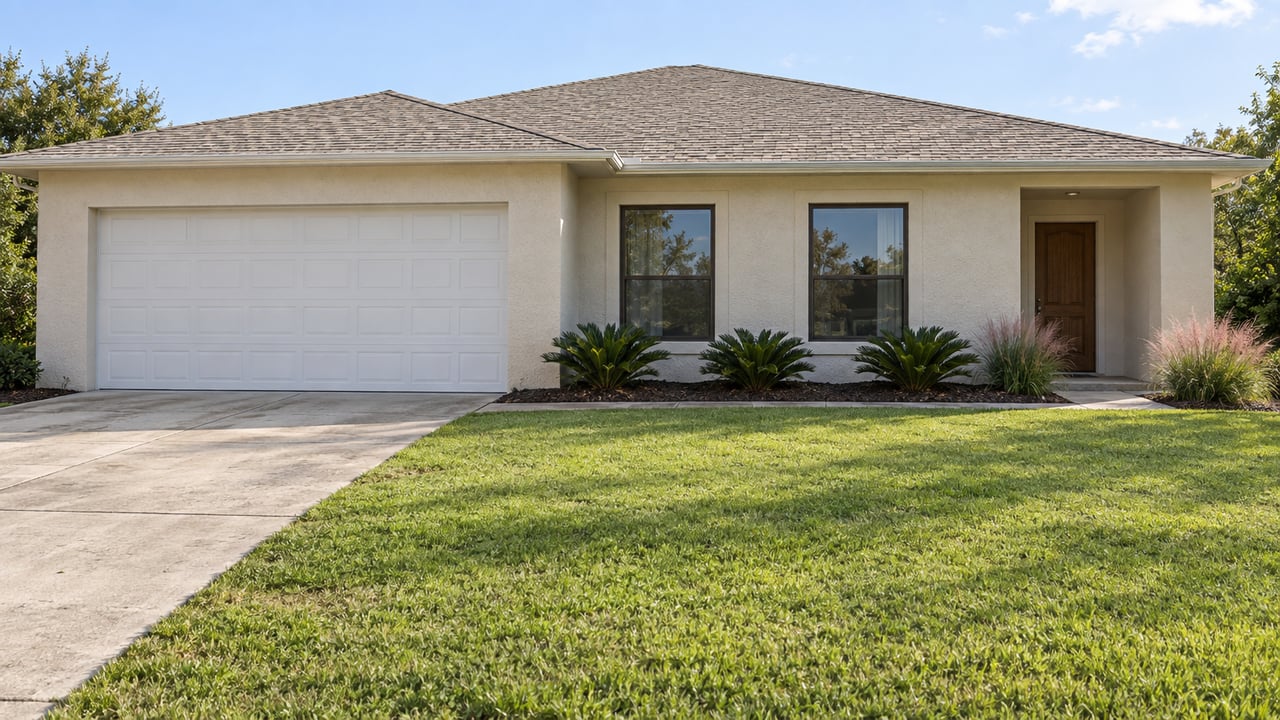
Pull up two resale listings in The Villages right now. Same square footage, same three-bedroom layout, same list price down to the dollar. One sits in an established village north of State Road 466, the other in Eastport, where the developer is still actively building. On paper, they're the same purchase. At the closing table, they almost never are.
The difference usually isn't the roof, the kitchen, or the lanai. It's a number that never shows up in the listing photos: the remaining balance on the home's CDD bond.
The Headline Number Is Real, But It's Answering the Wrong Question
A 24/7 Wall St. report puts Sumter County's median sale price at roughly $289,000 as of August 2026, down about 4.4% from a year earlier; the report describes a third straight year of softening after a pandemic-era run that saw home values jump nearly 32% in 2021 alone. Growth slowed to under 2% in 2023, then turned negative in both 2024 and 2025. Read on its own, that trend line looks like a retirement destination losing its shine.
It isn't. The community's own population count topped 150,000 residents as of the end of 2023, more than quadruple where it stood in 2000, and it kept ranking among the fastest-growing metro areas in the country through that same stretch. Demand for the lifestyle hasn't collapsed. An overvaluation reading of just 3.7% for Sumter County points to a market working through a structural adjustment, not a bubble popping.
New-construction listings come with a full-time sales staff, staged model homes, and in-house financing, giving buyers another option to weigh alongside resale listings.
What the Median Doesn't Tell You
Here's where the bond enters the picture, and where it starts to explain why two homes at the same price aren't the same deal.
When a new section of The Villages gets built, the roads, water and sewer lines, streetlights, and recreation facilities don't wait for homes to sell before they go into the ground. Stay The Villages' cost-of-living guide explains that a Community Development District, a special-purpose local government created under Florida's Chapter 190, issues bonds to cover that infrastructure cost upfront. The debt gets repaid over 20 to 30 years as a line item on the annual property tax bill.
The part that catches most buyers off guard: Scout The Villages' bond guide notes that a modest patio villa and a larger premier home on the same street can carry an identical annual bond payment.
Balances vary enormously depending on when a section was built and how much prior owners have already paid down:
- Nova 55 Living's guide to The Villages reports that north of SR 466, in the original villages anchored around Lake Sumter Landing, many bonds are already near zero after decades of payments.
- Between 466 and 466A, balances land somewhere in the middle, depending on the home's build era and payoff history.
- South of 466, in newer construction areas including Eastport and Fenney, remaining balances commonly run from around $23,000 into the $40,000-plus range.
So when someone quotes you "the median price" for The Villages, they're describing the sale price. They're not describing what a specific parcel still owes on its share of the infrastructure that built the community around it.
Why Appraisers and Buyers Both Watch the Bond Line
Appraisers working in The Villages treat bond status as a real variable, not a footnote. Comparable sales tend to split cleanly between homes marketed as bond-paid and homes that still carry an outstanding balance, because the two aren't carrying the same total cost even at an identical list price.
That's also where negotiation actually happens. A seller can advertise a home as bond-paid, but if the bond hasn't actually been retired, buyers and their agents typically account for that balance somewhere in the offer, whether through a price reduction or a closing credit. The seller usually ends up giving that money back at the table one way or another. The bond doesn't disappear because a listing description says it does.
This is also why the bond tends to surprise people at the worst possible moment. It sits quietly inside the annual tax bill for years, easy to overlook next to the monthly amenity fee that everyone tracks closely. Then a home goes on the market, and the remaining balance becomes a hard number on the closing statement, often the first time a seller has thought about it in years.
For a buyer, the fix is simple but easy to skip: request the bond payoff statement from the district or the county treasurer before writing an offer, not after. The statement tells you the actual number you're negotiating against, separate from whatever the listing price implies.
Reading Two Numbers Instead of One
One more wrinkle worth flagging if you're comparing figures from different sources. Some market snapshots from earlier in 2026 put a broader Villages median closer to $360,000, well above the $289,000 Sumter County figure from August. That gap isn't a typo. The Villages spans Sumter, Lake, and Marion counties, and Sumter County numbers are only a proxy for the larger community, not a complete picture of it. Depending on which county's data a source is pulling, and whether the homes in that sample are bond-paid or still carrying a balance, the same market can produce two very different headline prices.
If you're comparing listings across sections, ask which county the number represents and what bond status is baked into it before you treat any single median as the full story.
Does paying off the bond early guarantee a higher resale price? Not on its own. Retiring the balance early doesn't automatically translate into a higher sale price down the road. What it does appear to affect is how a home competes against bond-outstanding listings in the same price range, since buyers and appraisers are comparing total carrying cost, not just the number on the sign.
Why do bond balances vary so much between homes that look nearly identical? Because the balance reflects when that section's infrastructure was financed and how much of the original debt has already been paid down, not the size, finish level, or price of any individual home built on top of it.
If you're weighing a resale against new construction somewhere in The Villages, or trying to figure out what a listing price actually means once the bond is factored in, that's exactly the kind of parcel-by-parcel homework worth doing before you write an offer. Nathan Piotrowski can pull the payoff numbers for a specific home and walk you through what they mean for your total cost, not just the sticker price. Let's Connect.
This article is general information, not legal, tax or financial advice. Consult a qualified professional about your situation.